The drive from Samarkand to Panjakent and then up to the Seven Lakes isn’t far, but it did take us about 7 hours to get from the hotel to the 7th lake.
The first time suck was the border crossing from Uzbekistan to Tajikistan. It took us about 90 minutes to complete numerous steps for the car as well as the people.
The rest of the time was spent carefully picking our way up the single track gravel road up the valley past lakes 1-6. Heather’s patient driving and the mighty Tajburu (2008 Subaru) got it done – and the autumn color views were a treat along the way.

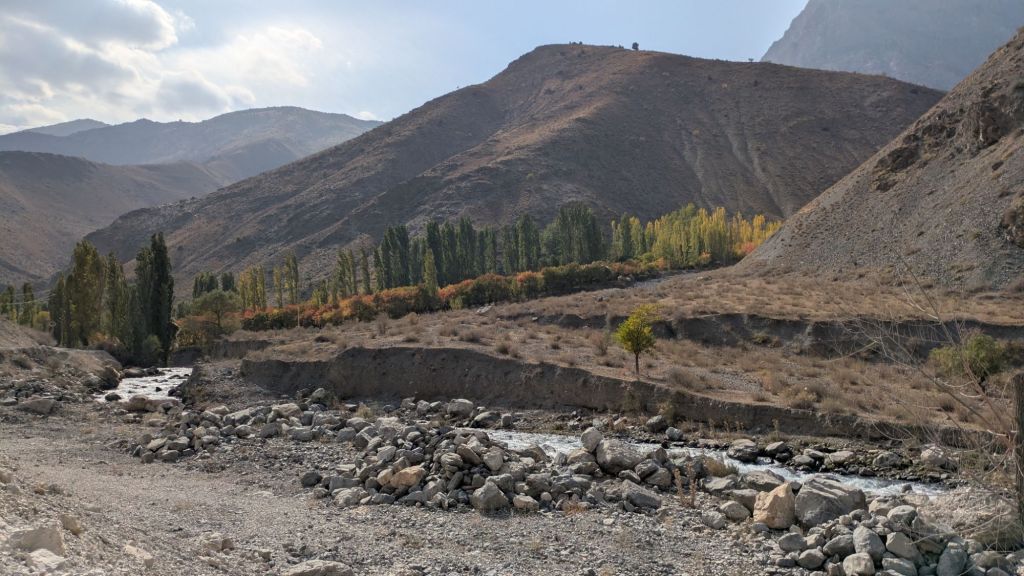
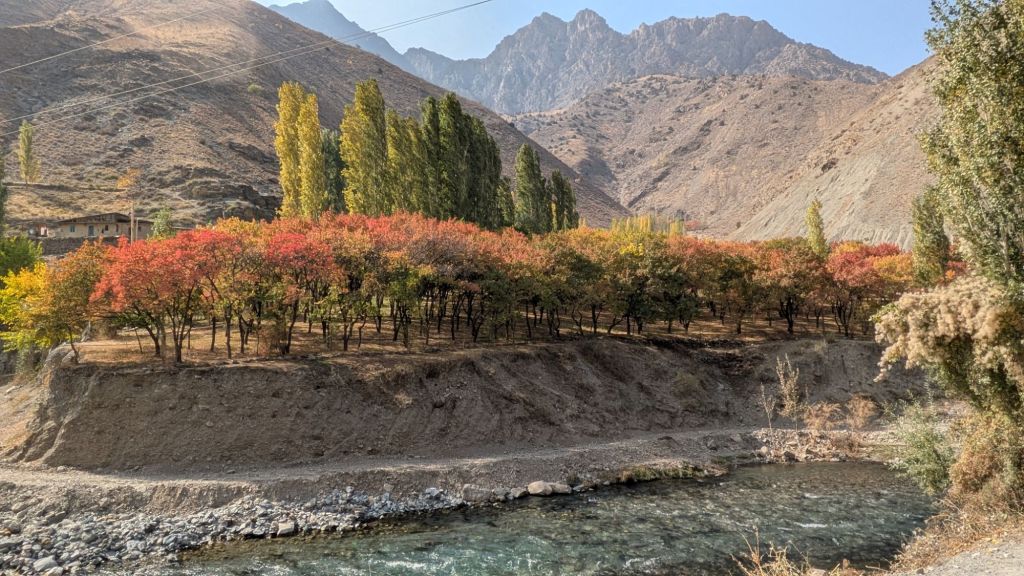
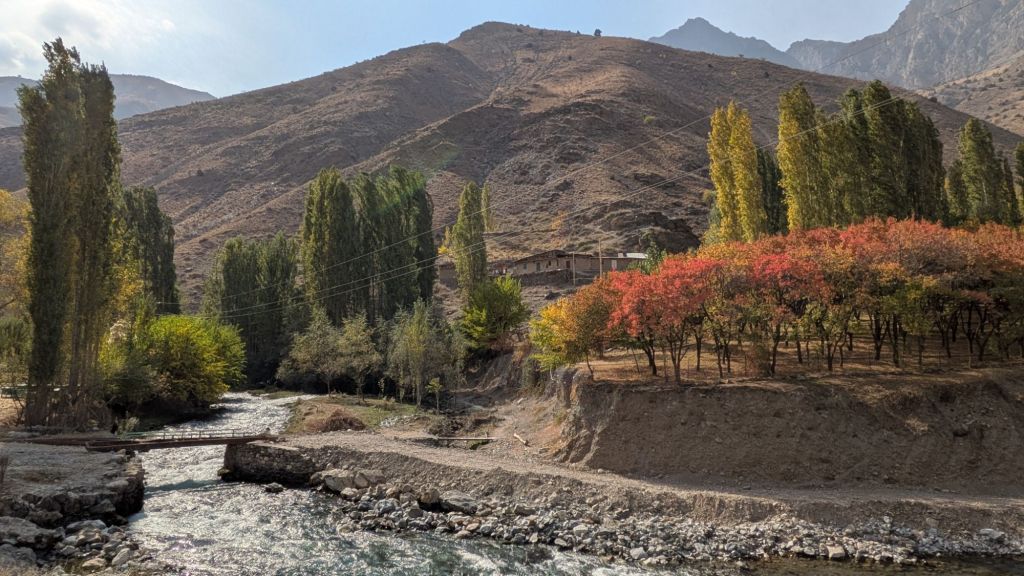
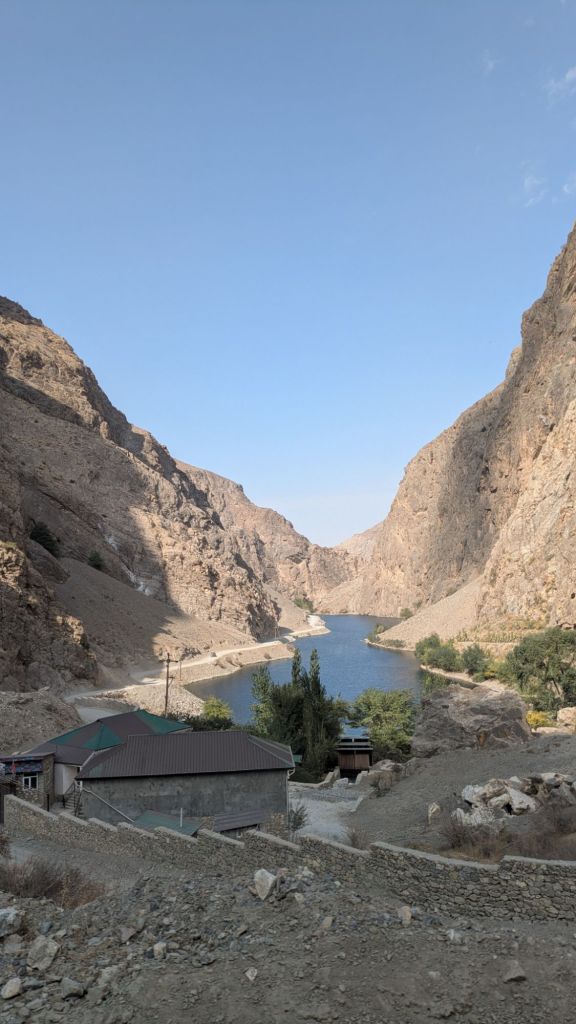

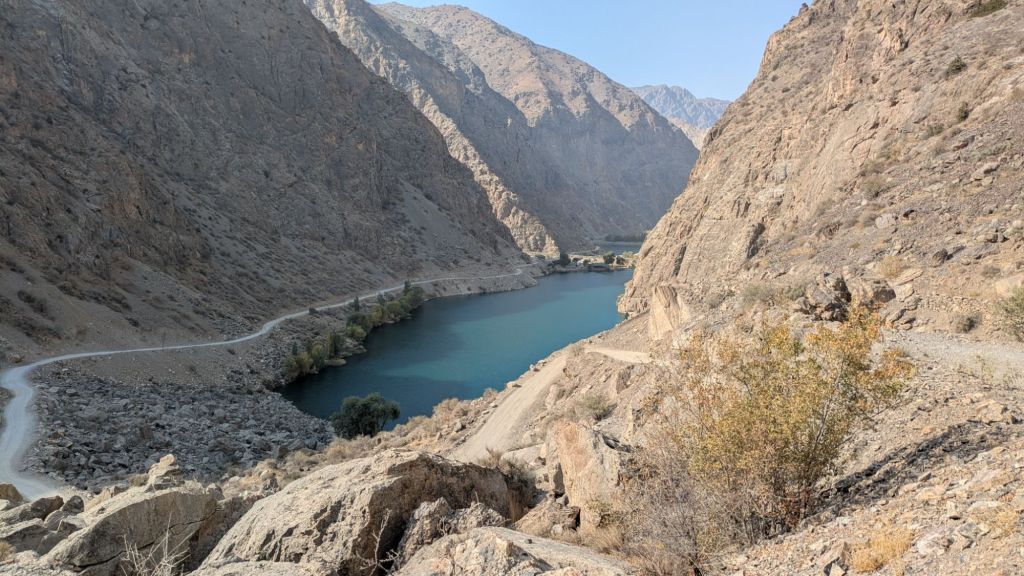
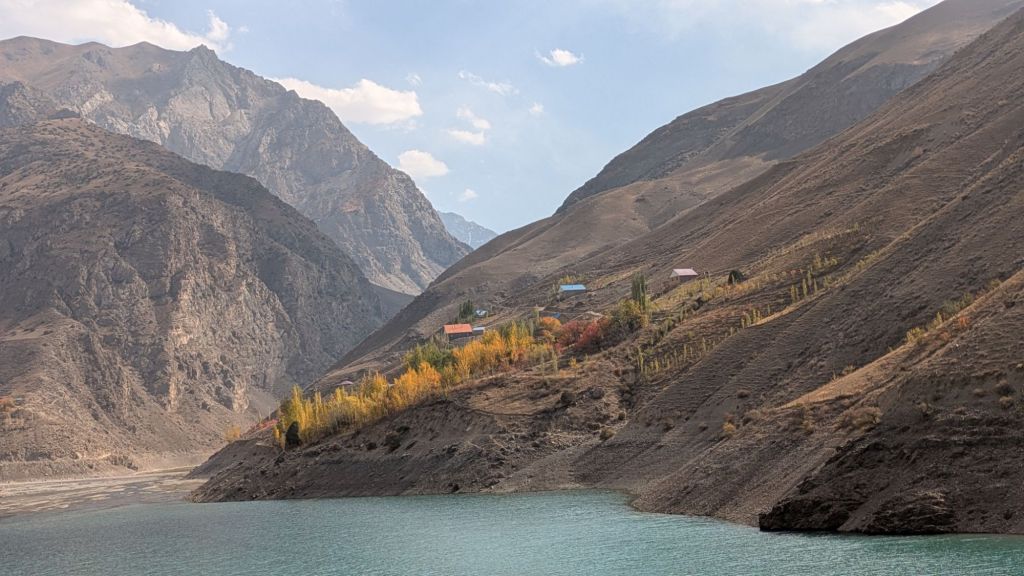

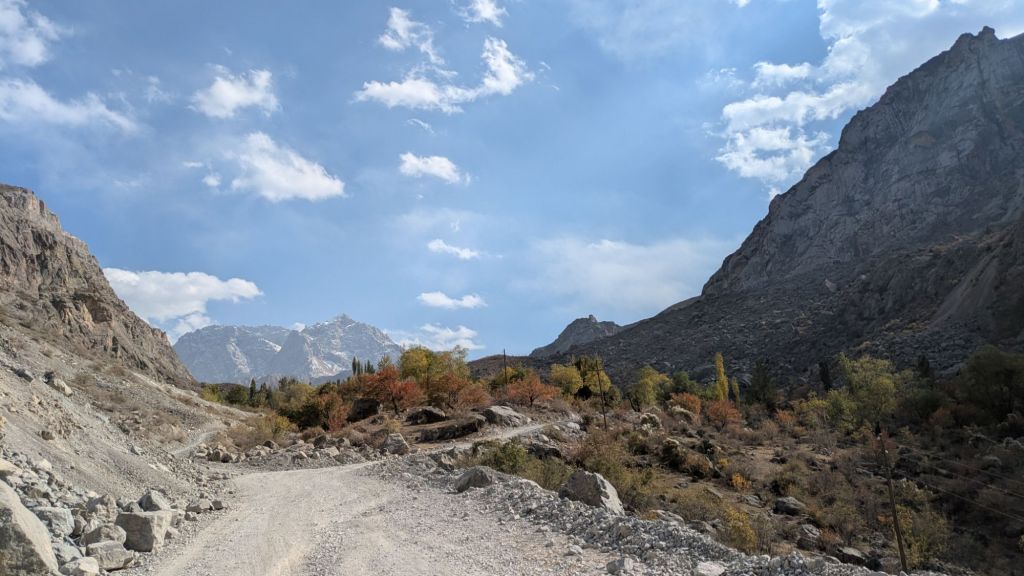

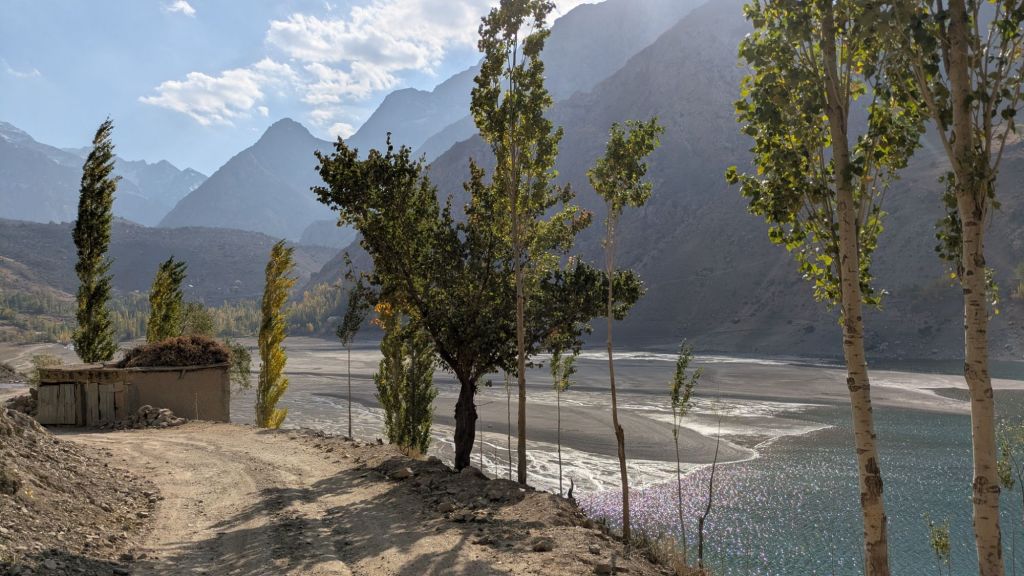
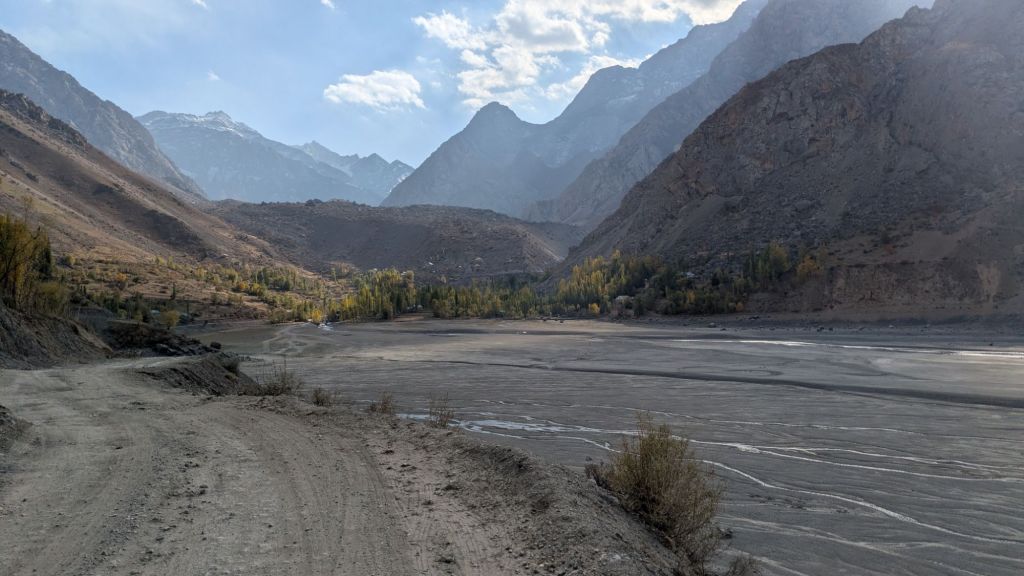

The lakes were formed by landslides damming the Shing river. These dam areas are massive, and people now live on them…. And landslides still occur. It’s a beautiful, but challenging place to live.
The children in villages were delighted to see us and ran alongside the car practicing saying “hello”.
We arrived at Hazorchasma, the seventh lake, around 3pm… Leaving a couple hours for a short hike as we wanted to be off the road before dark, and our homestay was at Nofin, the 4th lake.
Hazorchasma
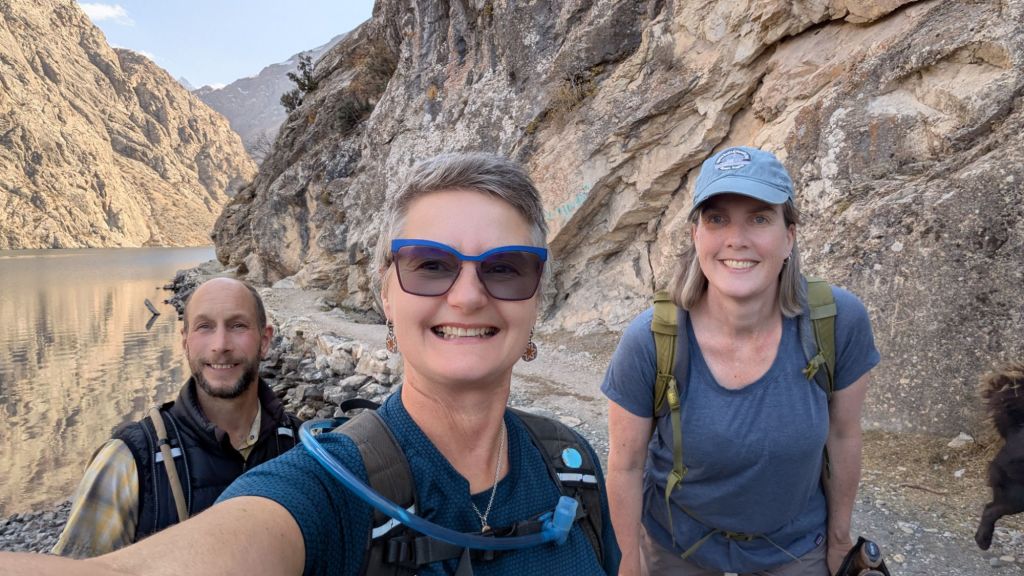
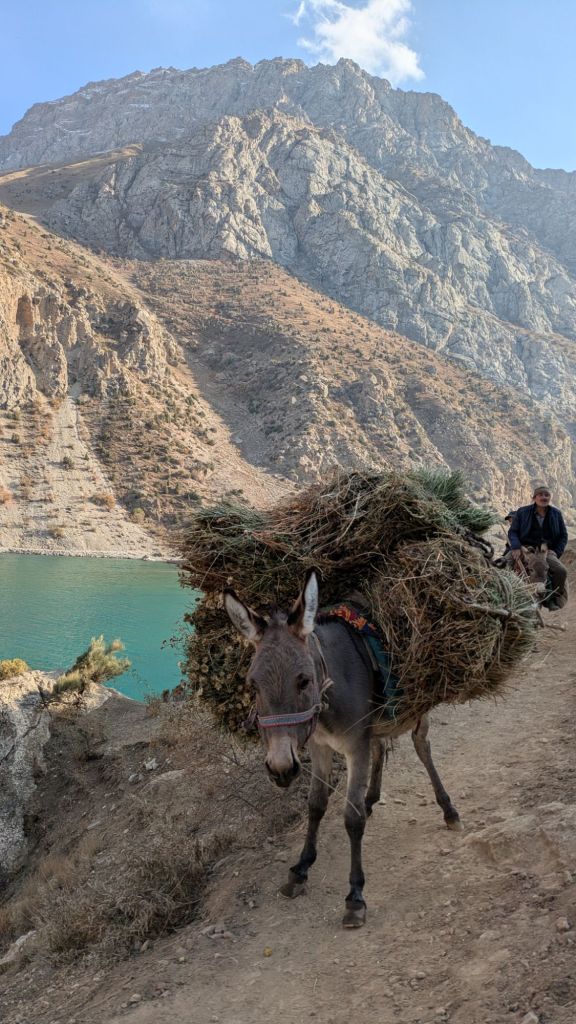
We were the only hikers on the Seventh Lake trail, though we did see numerous locals with donkeys returning with bundles of wood and plants. Oh, and a local dog joined us for the hike, which was cute until he decided he didn’t like someone’s cow.





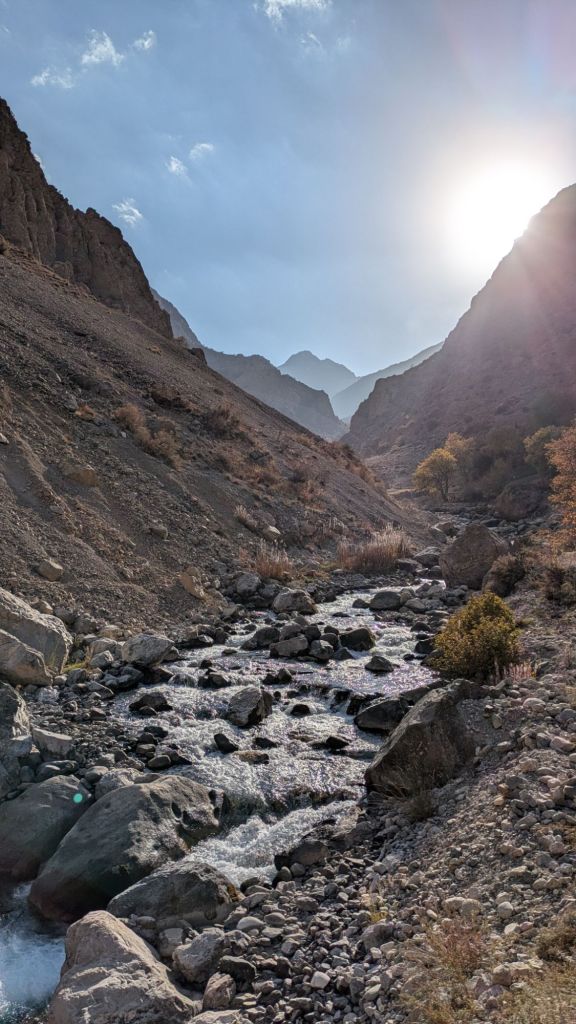


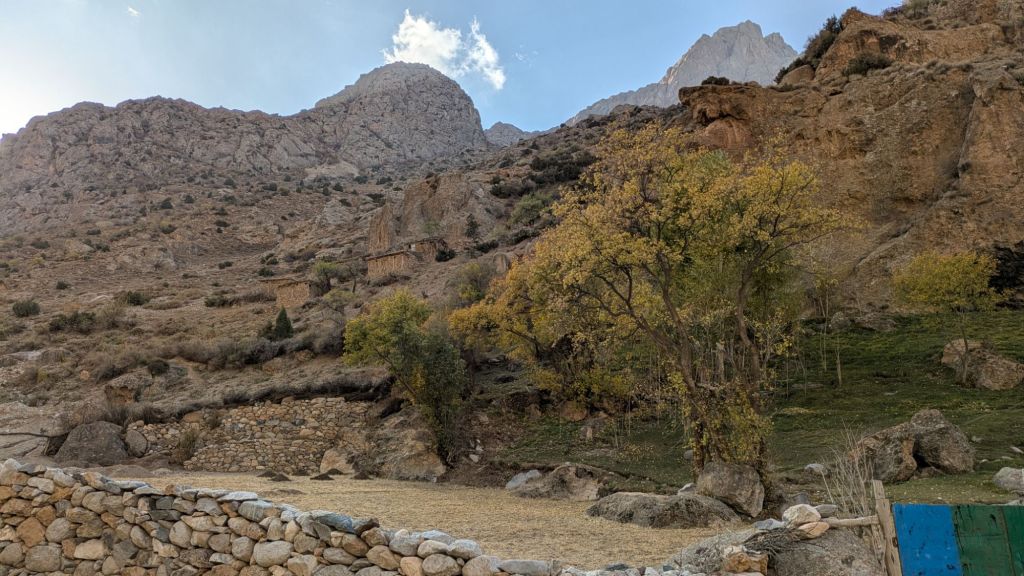
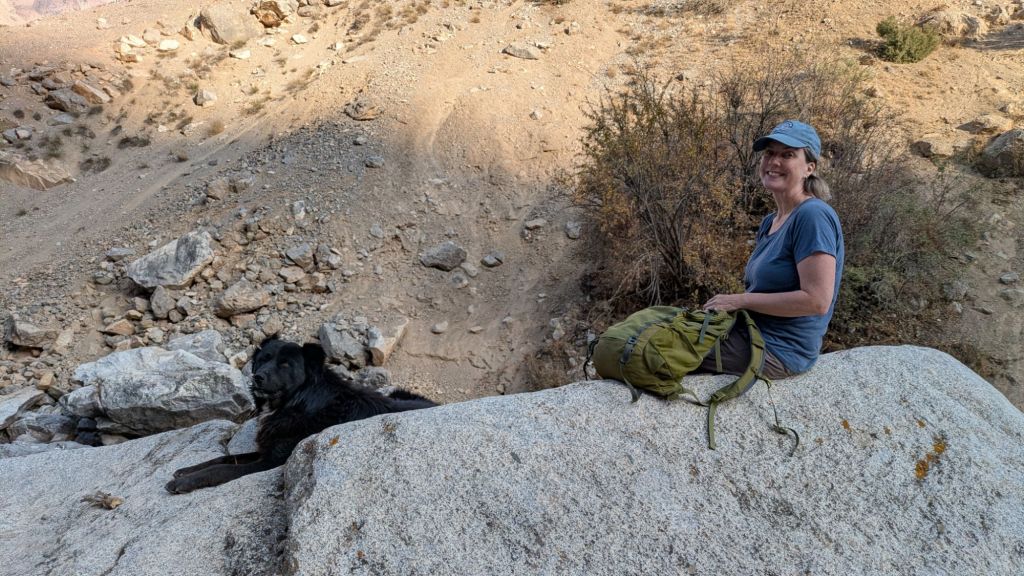


We paused after a couple of miles and sat by an enclosure. As we sat there more and more became apparent about the folks living in the compound. Two women were sweeping the leaves with twig brooms. One of them was even climbing into trees to shake leaves down to sweep them up. This wasn’t a lawn, mind you, it was a field. And it was windy. It really looked like busy work to us, in a life that is very much harsh subsistence.
We also spotted structures under overhangs and in caves, our hunch was livestock shelters. There were a couple small houses, built from mud bricks and wood.


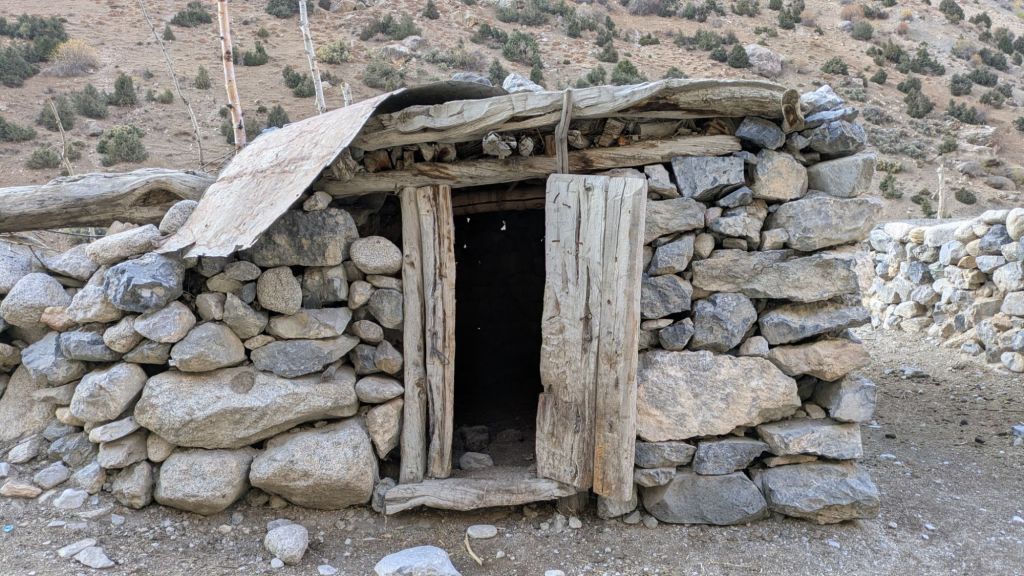
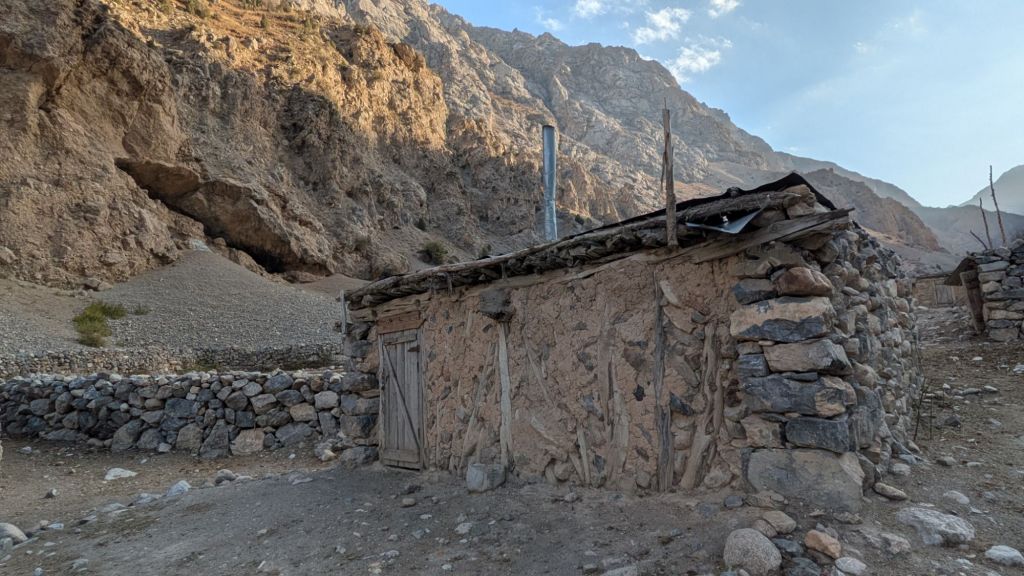
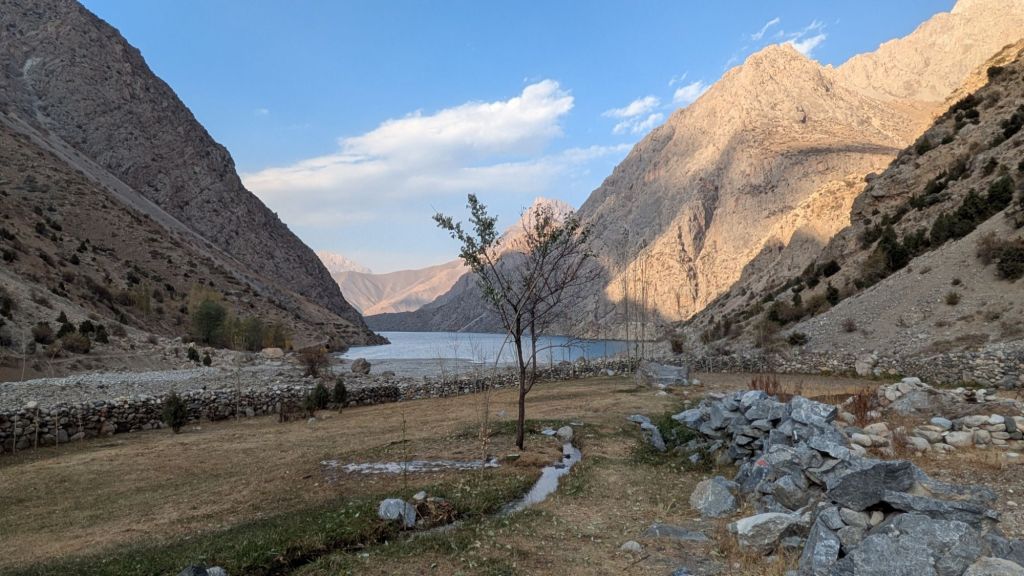


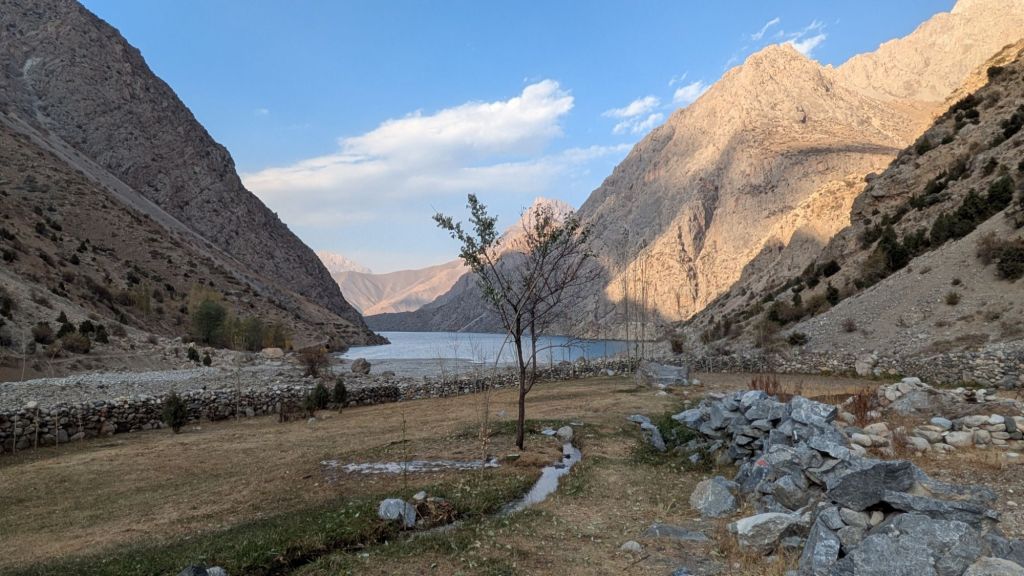
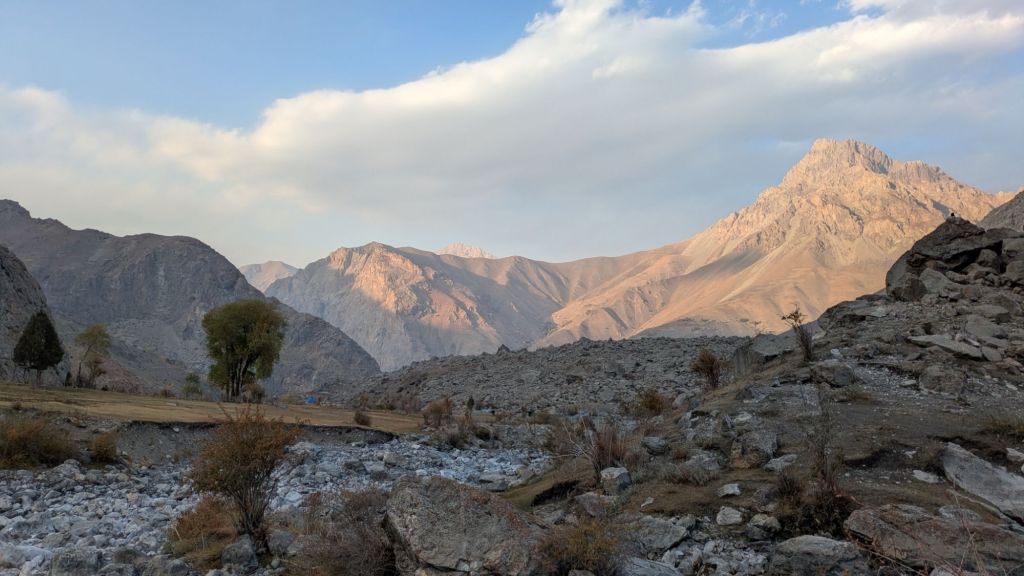
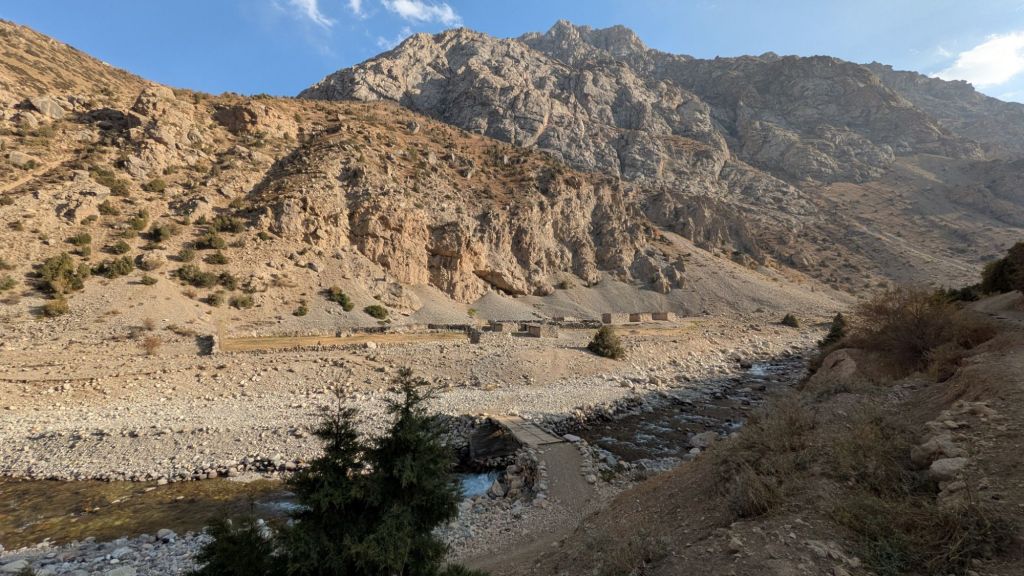
On the way back we crossed the stream and explored a seasonal shepherd Hamlet that was not currently in use.
Jumaboy Homestay
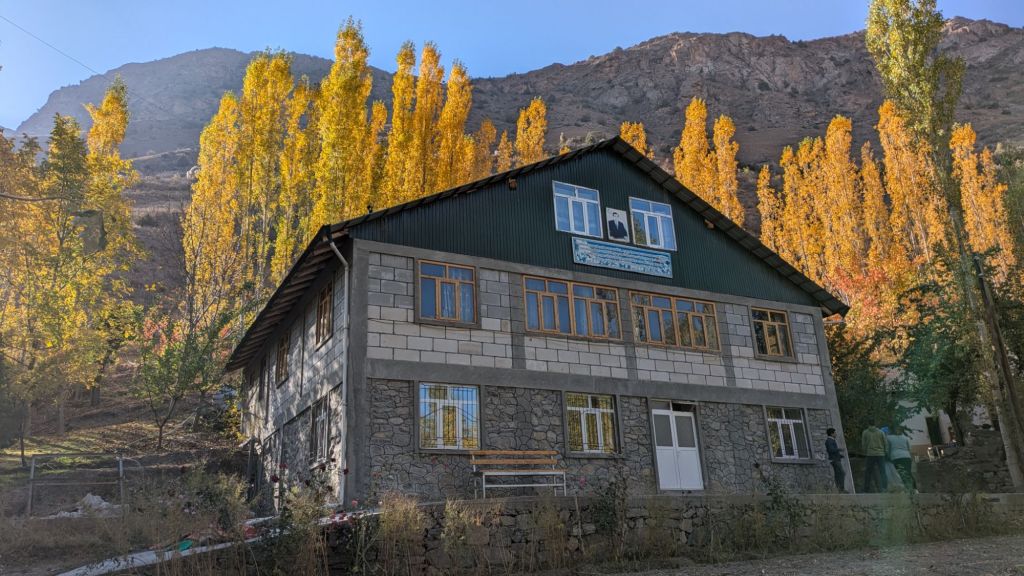
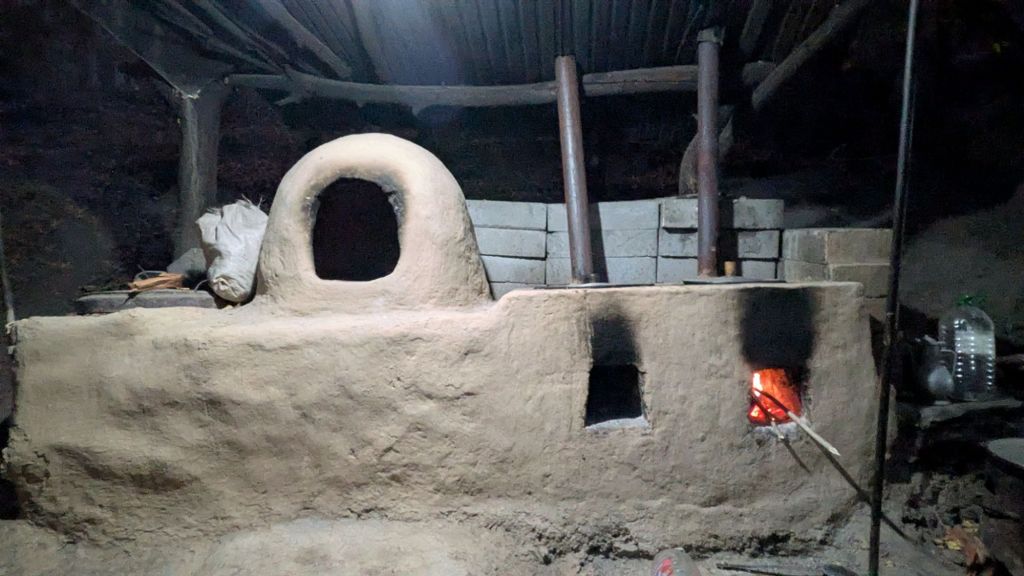


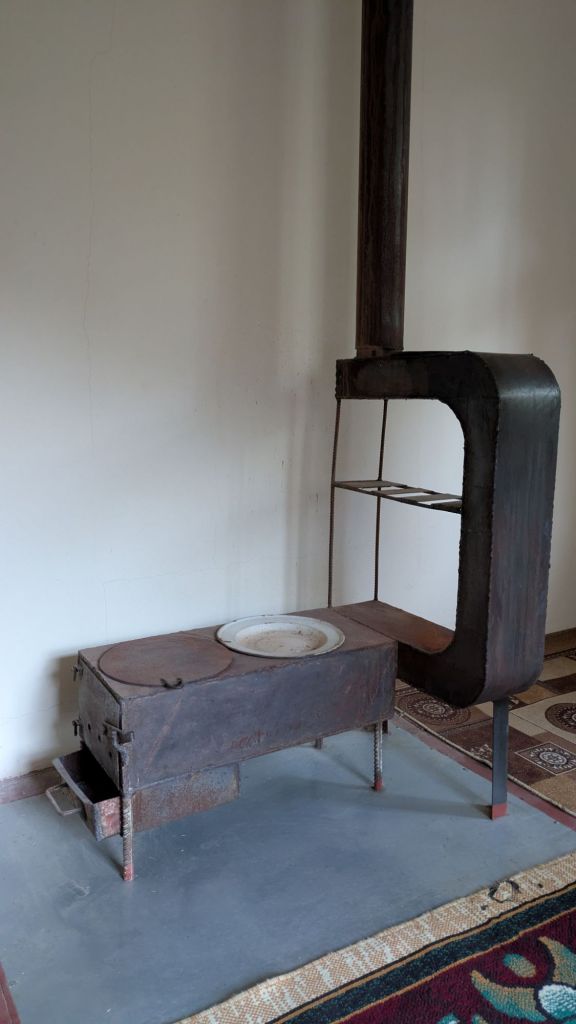
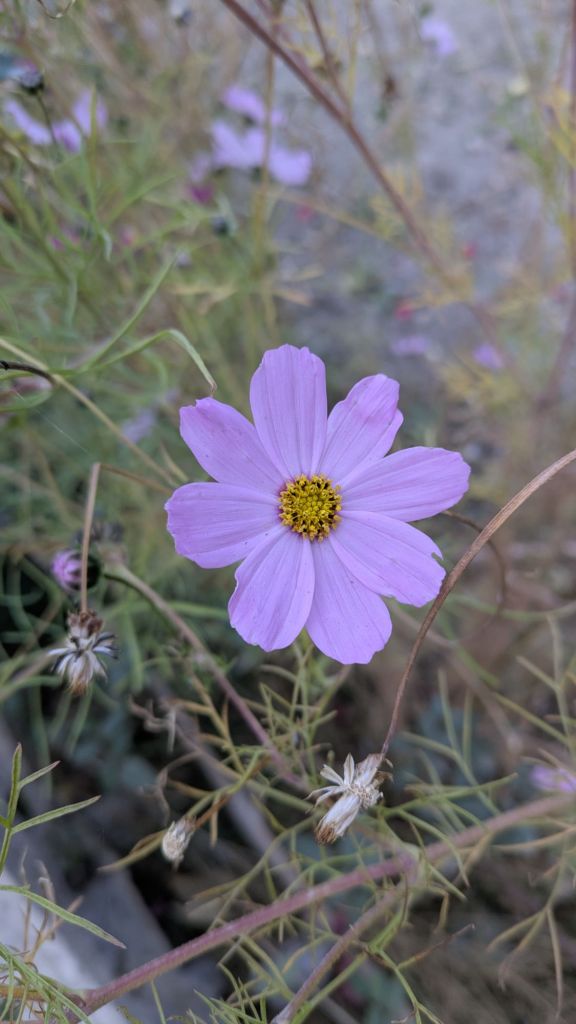
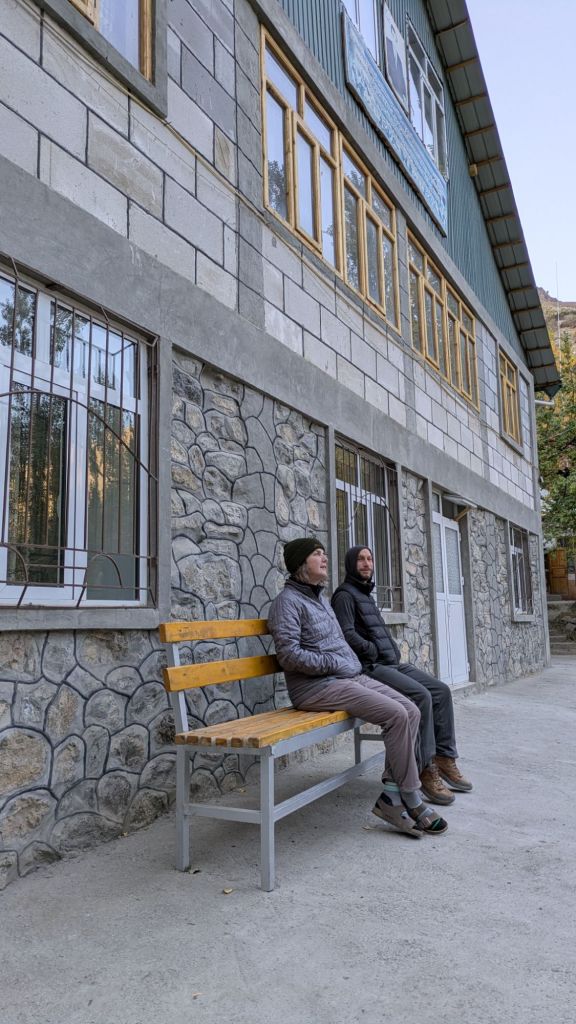
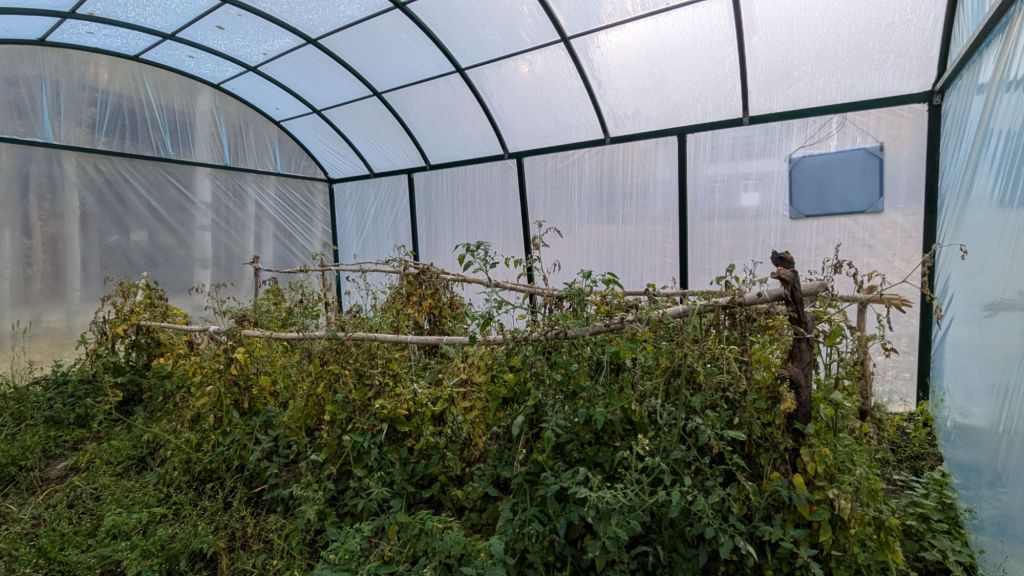
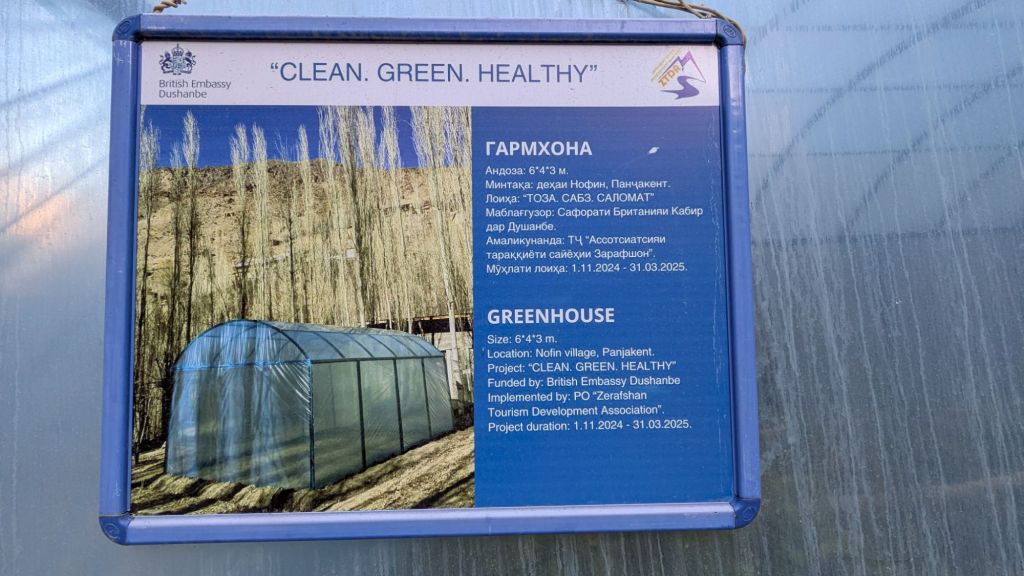

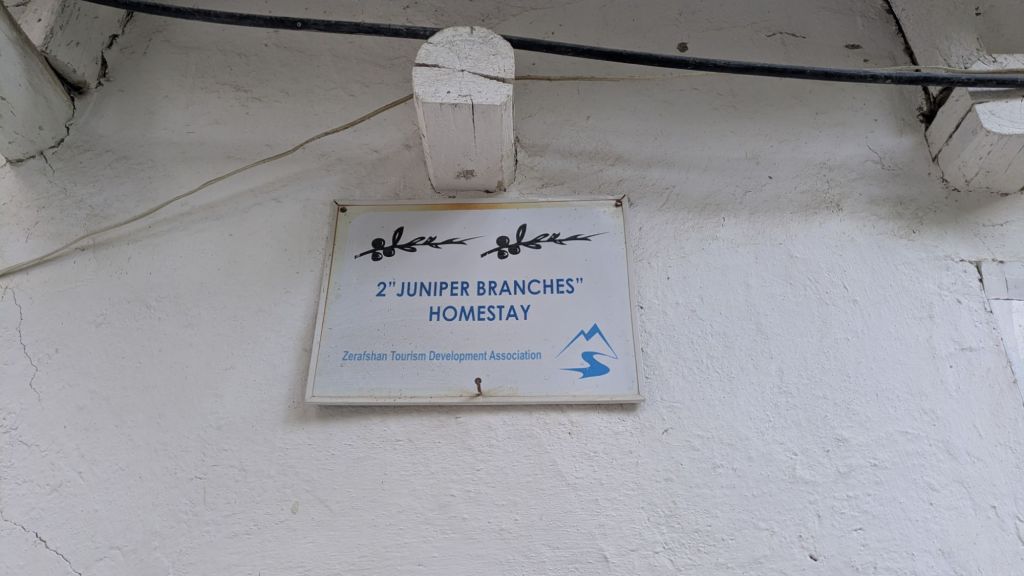
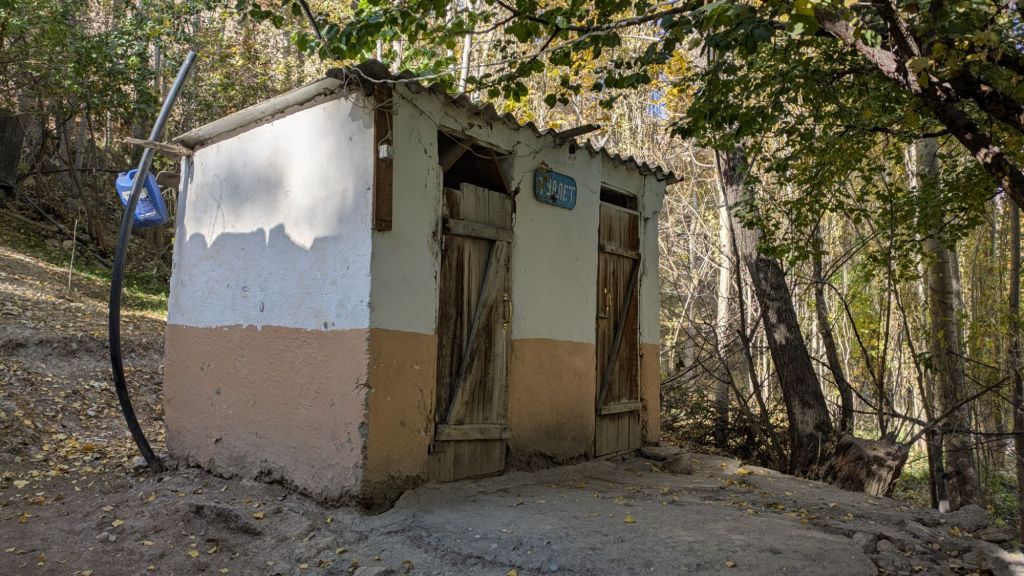
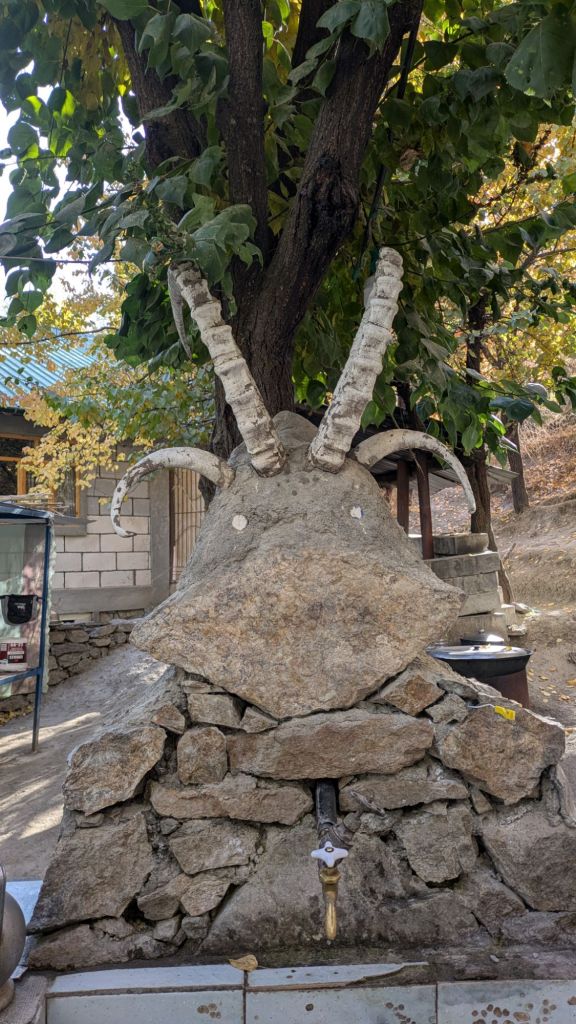


There are several new home stays under construction along the Lakes road. Jumaboy is one of the most established. Our host, Muslim, spoke great English. He was eager to learn new marketing strategies and ideas. And has a knack for tracking down development support, such as the greenhouse. He even has his own methane plant, for cooking and as car fuel. Many of the cars here have been rigged to run off a tank of methane instead of the factory petrol. (A very hazardous but pragmatic switch)
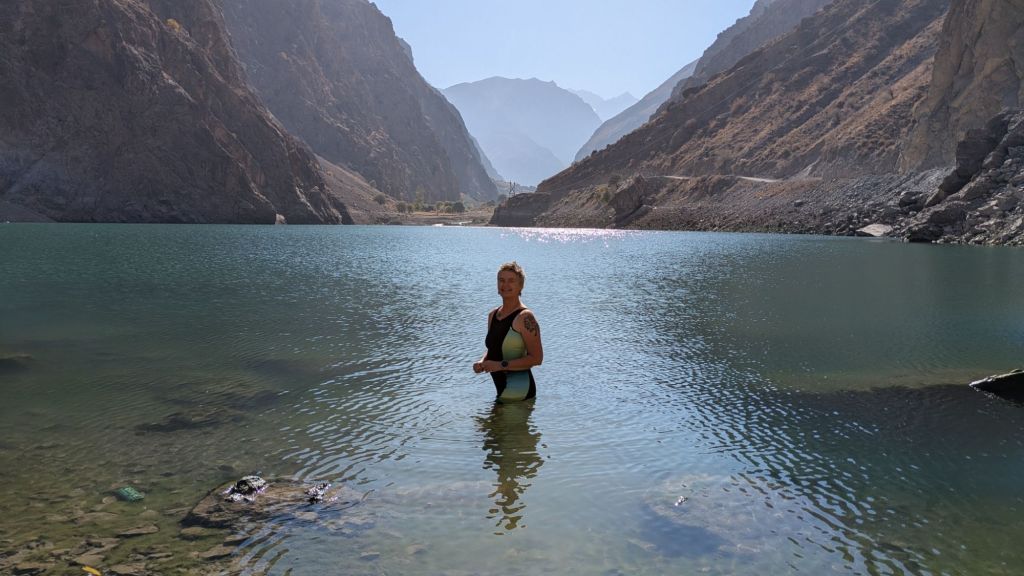
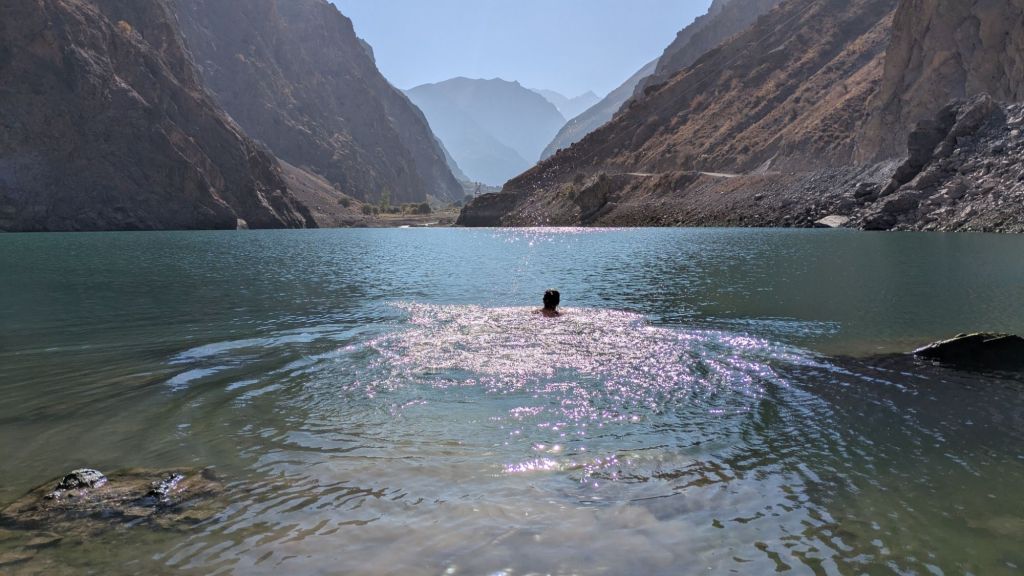
Swimming at Soja (Second) Lake
If you know me, you know I needed to swim. I almost didn’t make it, it’s glacier feed and very chilly water.




Tunnel of Death etc.
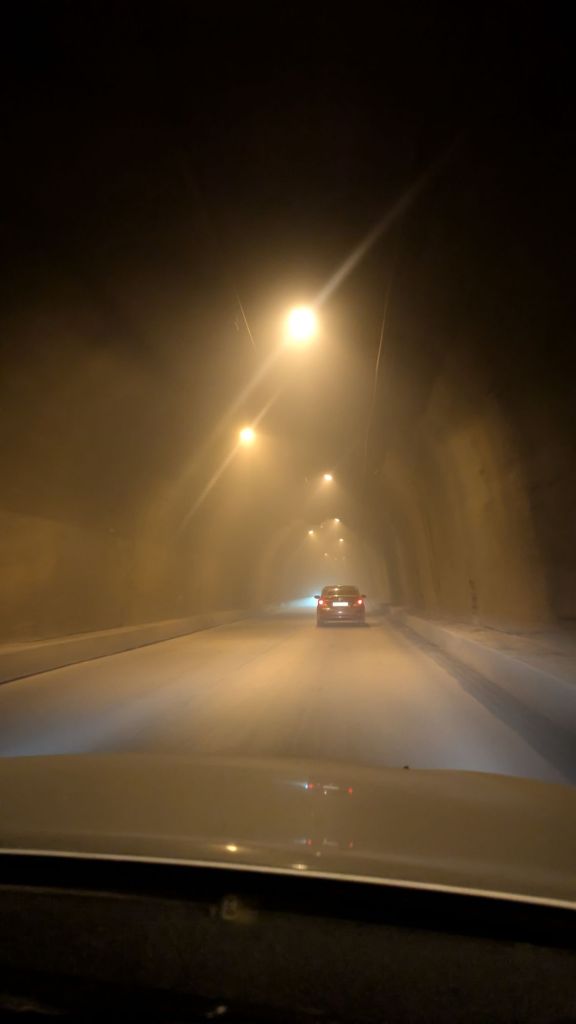
The drive to Dushanbe continued, back down the gravel road and then up, up, up to a 3+ mile long tunnel at 8,500 feet which Heather refers to as the Tunnel of Death. It’s one lane in each direction, maybe 80% of it with functioning lights. People pass in the tunnel. People pass on blind corners. People pass on the gravel shoulder at speed. Some of the decisions are astonishing to behold.
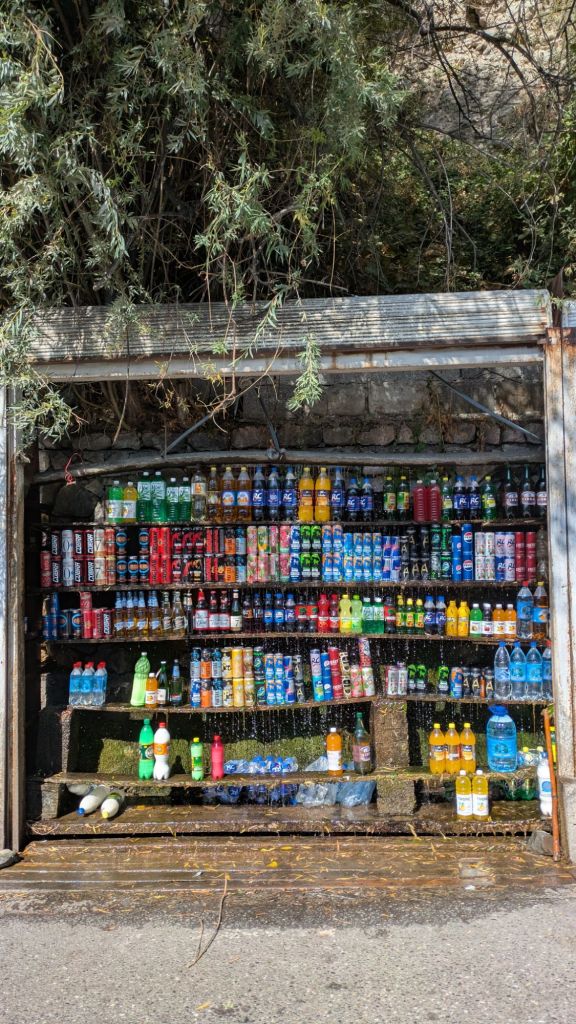
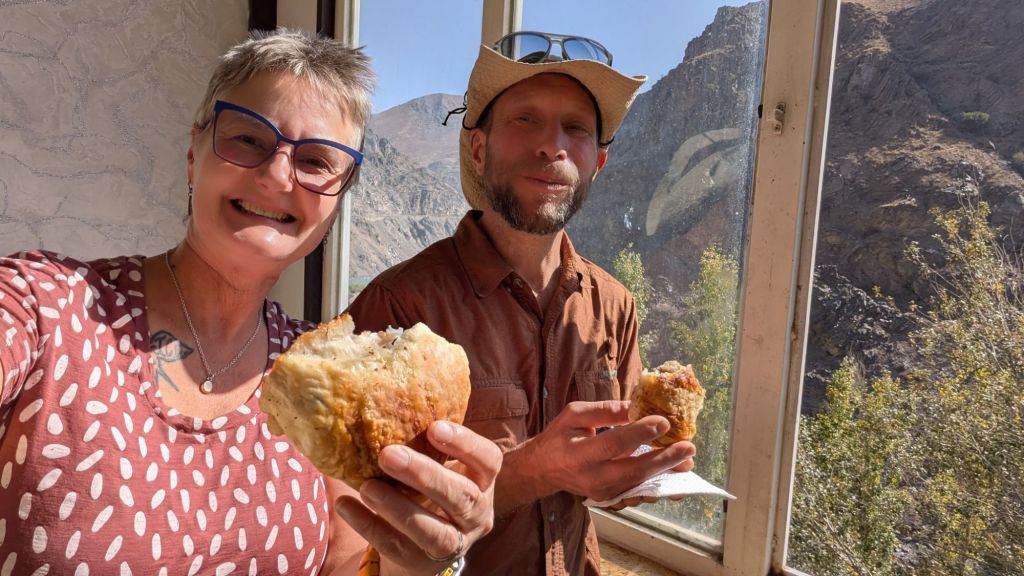
We stopped at a roadside cafe with fresh sambusa (the Tajik name for somsa), and drinks cooled by spring water.




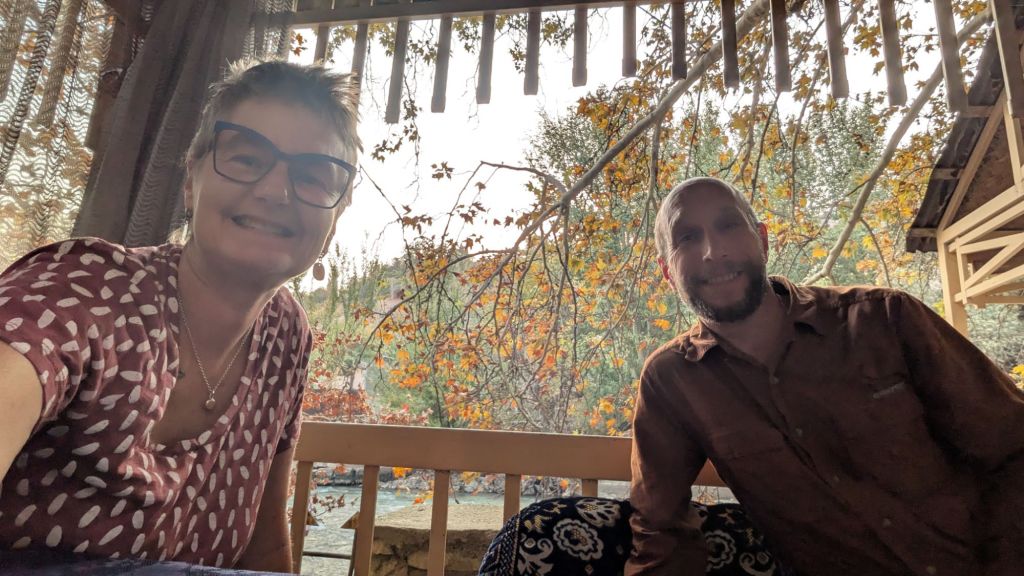
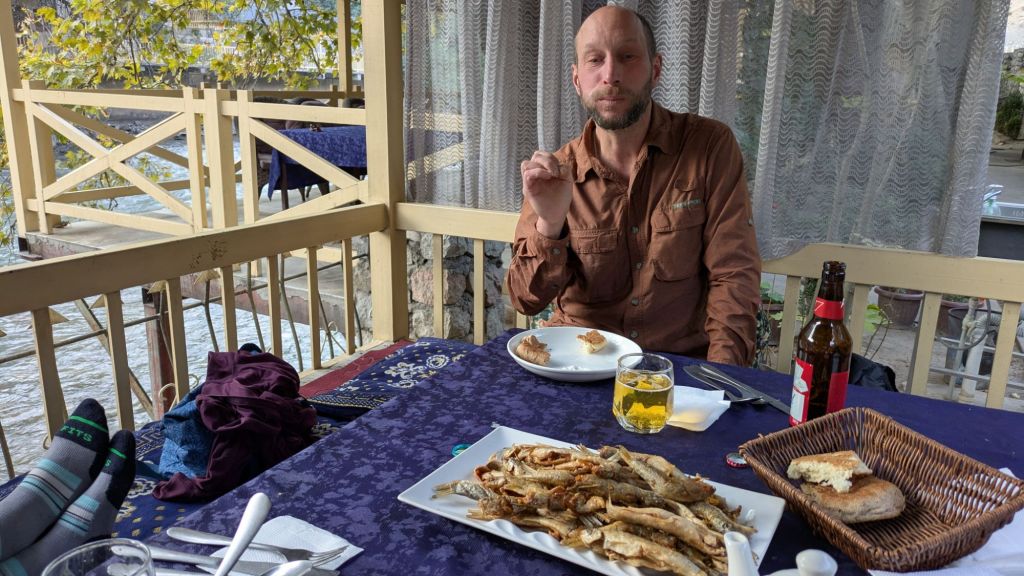
We stopped for dinner just before reaching Dushanbe, a restaurant Heather had always heard was good, but had not yet been to. Our tapchan was across the busy road from the restaurant, servers had to use a crosswalk and dodge traffic to wait on tables. It was road-noisy but otherwise nice and the food was good.
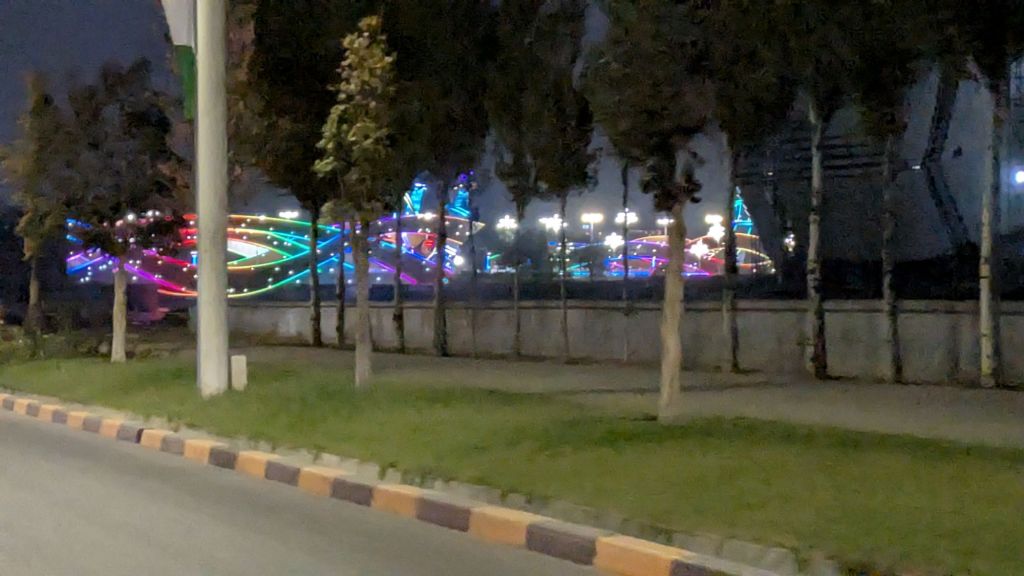
We saw a little of Dushanbe by night on the way to Heather’s place. Including a garishly lit bridge.


We got a tour of the house and then, as the air pollution wasn’t too high, we spent the evening on the tapchan.
Next up… Dushanbe….
 Quillpig